Residential elevator: what it is, how it works and what it costs
"Residential elevator" is the term the whole Mexican market uses, but it groups together very different technologies. Here's the real difference between them, so you know what to ask before getting a quote.
What a residential elevator is (and isn't)
It's an elevator built for home use: lower capacity and speed than a commercial one, but with the same safety requirements. In Mexico, three approaches coexist:
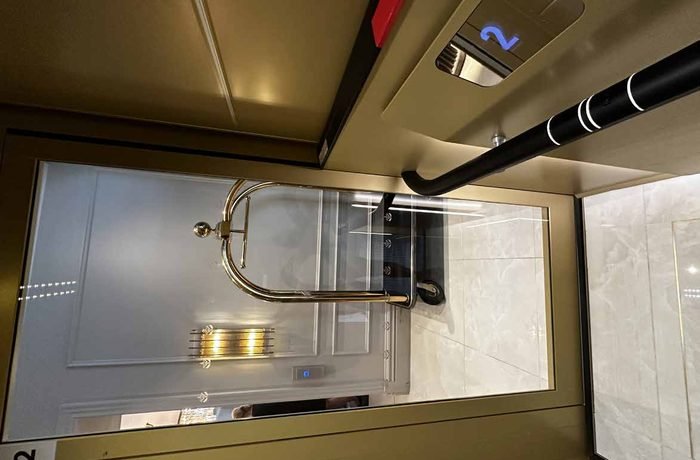
1. Screw drive — Cibes
The cabin is always attached to a steel screw: it cannot enter free fall even if a cable or brake fails. It comes with its own shaft and needs no machine room, so civil works are minimal even in an already-built home.
2. Pneumatic elevator — PVE
It moves by air-pressure difference inside a tube. It needs no pit or structural work, and installs in just a few days. It's the fastest option when you don't want construction in an occupied home. More detail on the PVE page, or compare pneumatic vs. screw-driven in depth in this article.
3. Custom-built — NUGEE
When a project needs something that doesn't fit a fixed catalog — or the budget is tighter — NUGEE builds the motor and cabin to measure, with U.S. components and the same installation standard.

How to choose
If you want design and the track record of a century-old brand, Cibes. If you prioritize fast installation with no construction, PVE. If budget is the priority but you don't want to compromise on safety, NUGEE. In all three cases, advice is free with no commitment — tell us about your project.
Tags:
ElevatorsShare: